Veganism is a good cause and we can all learn a thing or two about sustainability from them. Stop acting like they’re out here to take your oh-so-precious meat away from you. Eat a vegetable or two so you can get that turd out of your ass.
I wholly agree that beyond just sustainability, the reduction of suffering for animals is in the heart of veganism.
That being said, it’s not the most effective argument to sway us meat eaters. When people think of animal suffering, it brings shame and guilt and makes some people defensive. This is why some people hate vegans, because it’s a reflection of their own inadequacies. They revel at finding proselytizing vegans to pull apart because it lets them tell the world ‘See? This is what all vegans are like. I’m not like that and therefore I am a good person.’
Self-interest is the easiest way to goad people into thinking about veganism without hurting any egos. If you rephrase veganism as a matter of self-preservation and not a moral issue, people are more open to that.
It’s much easier to make the world eat 10% less meat than make 10% of everyone a vegan. Veganism for all isn’t the answer yet, because human incentives don’t work that way. Instead of promoting veganism, it’s much more achievable to ask people to do things like meatless Mondays.
I don’t think you can speak for all vegans. It’s a diet, not a religion.
From the Wikipedia page: “People who follow a vegan diet for the benefits to the environment, their health or for religion are regularly also described as vegans.”
I did. I don’t think you did properly. You missed the part where it says “ethical Veganism” at the beginning of the second paragraph. You’re describing ethical Veganism, but the term Veganism can be used by many more people. To use your example, TERFs are feminists, but not all feminists are TERFs.
Dictionaries are often treated as the final arbiter in arguments over a word’s meaning, but they are not always well suited for settling disputes. The lexicographer’s role is to explain how words are (or have been) actually used, not how some may feel that they should be used, and they say nothing about the intrinsic nature of the thing named or described by a word, much less the significance it may have for individuals. When discussing concepts like veganism, therefore, it is prudent to recognize that quoting from a dictionary is unlikely to either mollify or persuade the person with whom one is arguing.
The lexicographer’s role is to explain how words are (or have been) actually used, not how some may feel that they should be used
You interpreted this to mean that “how [you] may feel that they should be used” is more correct than “how words are (or have been) actually used.” That’s on you, dude.
Just because you can’t be mollified or persuaded doesn’t mean you’re correct; otherwise maga would be the champions of debate.


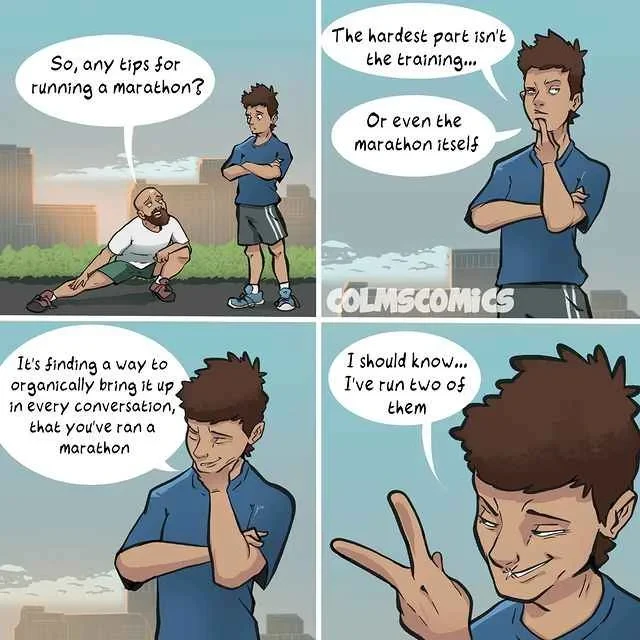
I eat meat and you’re being a twat.
Veganism is a good cause and we can all learn a thing or two about sustainability from them. Stop acting like they’re out here to take your oh-so-precious meat away from you. Eat a vegetable or two so you can get that turd out of your ass.
Removed by mod
Found the vegan.
It goes “never as a mere means.”
People always forget the “mere” part.
I wholly agree that beyond just sustainability, the reduction of suffering for animals is in the heart of veganism.
That being said, it’s not the most effective argument to sway us meat eaters. When people think of animal suffering, it brings shame and guilt and makes some people defensive. This is why some people hate vegans, because it’s a reflection of their own inadequacies. They revel at finding proselytizing vegans to pull apart because it lets them tell the world ‘See? This is what all vegans are like. I’m not like that and therefore I am a good person.’
Self-interest is the easiest way to goad people into thinking about veganism without hurting any egos. If you rephrase veganism as a matter of self-preservation and not a moral issue, people are more open to that.
It’s much easier to make the world eat 10% less meat than make 10% of everyone a vegan. Veganism for all isn’t the answer yet, because human incentives don’t work that way. Instead of promoting veganism, it’s much more achievable to ask people to do things like meatless Mondays.
I don’t think you can speak for all vegans. It’s a diet, not a religion.
From the Wikipedia page: “People who follow a vegan diet for the benefits to the environment, their health or for religion are regularly also described as vegans.”
Removed by mod
I did. I don’t think you did properly. You missed the part where it says “ethical Veganism” at the beginning of the second paragraph. You’re describing ethical Veganism, but the term Veganism can be used by many more people. To use your example, TERFs are feminists, but not all feminists are TERFs.
it’s neither a diet nor a religion. it’s a philosophy and way of living
Diet:
https://www.merriam-webster.com/dictionary/diet
Veganism is, by definition, a diet. It just happens to (often) be based on a philosophy by the same name.
You wouldn’t say “pragmatism isn’t an approach to problem solving! It’s a philosophy!” It’s both.
Dictionaries are often treated as the final arbiter in arguments over a word’s meaning, but they are not always well suited for settling disputes. The lexicographer’s role is to explain how words are (or have been) actually used, not how some may feel that they should be used, and they say nothing about the intrinsic nature of the thing named or described by a word, much less the significance it may have for individuals. When discussing concepts like veganism, therefore, it is prudent to recognize that quoting from a dictionary is unlikely to either mollify or persuade the person with whom one is arguing.
–
marriam webster
“Dictionaries don’t give the correct definition of words; how I feel a word should exclusively be used is what ultimately matters” -commie
this is a strawman. prima facie bad faith
Not at all.
You interpreted this to mean that “how [you] may feel that they should be used” is more correct than “how words are (or have been) actually used.” That’s on you, dude.
Just because you can’t be mollified or persuaded doesn’t mean you’re correct; otherwise maga would be the champions of debate.
I quoted the same lexicographer you did.
If you quote something without properly annotating it in an academic setting, it can be considered plagiarism.
You used nothing to indicate that that block of text was actually a quotation.
deleted by creator
How the hell did you get all of that from my comment? Projecting much?
i kind of doubt it.
I remember you! you’re the one recommending people download the fucking burger king app lol
Removed by mod
that’s a mischaracterization of the conversation
lol mhmm.