

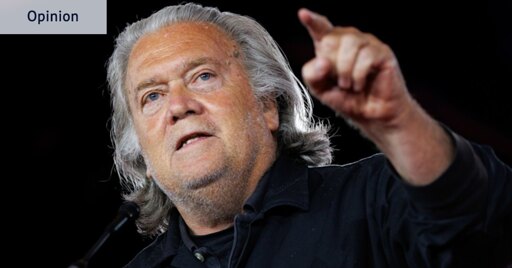
Donald Trump’s campaign strategist for his 2016 election win says: “I believe we will have a national emergency declared by late August,” ahead of the Congressional midterm elections due on November 3. “You will have enough evidence by mid-August to show that we have a massive problem” of election fraud, he tells me in an interview. Trump’s televised address to the nation on Thursday last week was the beginning of the process, he says.
The president declassified documents, which he claimed show “shocking vulnerabilities in our election infrastructure” revealed by the 2020 election.
These had been hidden, even from him, by a “deep state” conspiracy of US intelligence services, he posited.
Trump demanded that the Congress pass a bill called the Safeguard American Voter Eligibility, or SAVE, Act. The bill stipulates that all voters produce a passport or birth certificate to be eligible to vote. Democrats denounce it as an effort at mass disenfranchisement. The Brennan Centre for Justice at New York University estimates that it could block 21 million Americans from the ballot box.
Under the US Constitution, it’s the states, not the federal government, that run elections. The SAVE Act would force state governments to hand voter roll information to Washington.
Trump sent his Homeland Security Secretary, Markwayne Mullin, out the following morning to issue a threat to state officials: they could face prison time unless they followed the administration’s orders to remove non-citizens from rolls.
Key swing states have been systematically limiting the number of voter locations and ending other means of voting like mail-in. Expect to see squads positioned around key Democratic cities within swing states. Also expect “emergency situations” like the threats to voting locations like last time. That strategy didn’t get nearly enough attention.
They have around 30,000, and will likely expand that rapidly before the election. They just have to slow stuff down and dissuade enough swing voters from showing up.