A national law against child labor was passed in 1916, but it was overturned by the Supreme Court in 1918. A 1919 law was also overturned. In the 1920s, an effort to pass a constitutional amendment failed, because of opposition from the South and from Catholics. The Fair Labor Standards Act (part of the New Deal) in 1938 finally ended child labor in factories, mines, and other occupations. Child labor has always been a factor in agriculture and that continues into the 21st century. — Wikipedia
Something tells me if we did a complete archive search of NYT (and, for that matter, WSJ), circa 1910-1940, we’d find that it has, indeed, defended child labor in the US.
Yeah, states rights tends to come into play when ethical protections are opposed. Slavery abolition, and abortion access come to mind. We may see it again regarding gay marriage.
Curiously, the same players who oppose all these things are not for states rights when it comes to cannabis access.
I can only imagine what voting for a president or such would have been like back then. Voting for a local congress person, okay you might have known them or know someone who might know them. But the president, you were told who they were by what… 1 newspaper? Unless your family was paying for more than one, aka if your family knew to switch somehow
Olde Thimey federal candidates, including presidential candidates, actually traveled on the campaign trail, and would go town-to-town, make stump speeches (often on literal stumps) and gladhand by the hundreds. So the people often got to hear the candidates answer questions relevant to their own districts.
These remote media-only campaigns are unique to the post-radio age.

A national law against child labor was passed in 1916, but it was overturned by the Supreme Court in 1918. A 1919 law was also overturned. In the 1920s, an effort to pass a constitutional amendment failed, because of opposition from the South and from Catholics. The Fair Labor Standards Act (part of the New Deal) in 1938 finally ended child labor in factories, mines, and other occupations. Child labor has always been a factor in agriculture and that continues into the 21st century. — Wikipedia
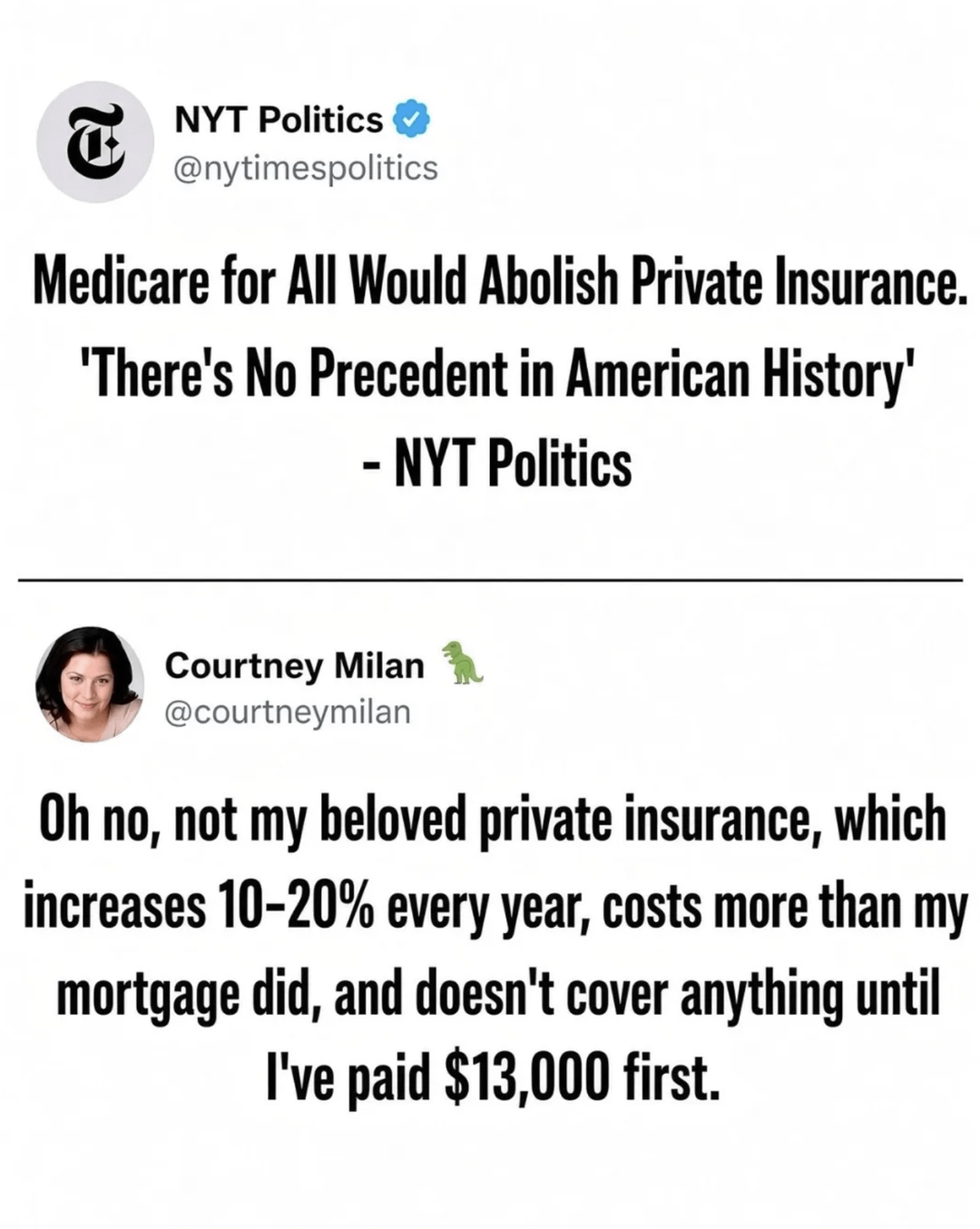
Something tells me if we did a complete archive search of NYT (and, for that matter, WSJ), circa 1910-1940, we’d find that it has, indeed, defended child labor in the US.
https://flippedtips.com/plegal/save/clin1910s.html
Under “Stunned Nation Reacts” I guess they argued it should be left up to the states… Which is a defense of it, in the context of the time.
Yeah, states rights tends to come into play when ethical protections are opposed. Slavery abolition, and abortion access come to mind. We may see it again regarding gay marriage.
Curiously, the same players who oppose all these things are not for states rights when it comes to cannabis access.
I can only imagine what voting for a president or such would have been like back then. Voting for a local congress person, okay you might have known them or know someone who might know them. But the president, you were told who they were by what… 1 newspaper? Unless your family was paying for more than one, aka if your family knew to switch somehow
Olde Thimey federal candidates, including presidential candidates, actually traveled on the campaign trail, and would go town-to-town, make stump speeches (often on literal stumps) and gladhand by the hundreds. So the people often got to hear the candidates answer questions relevant to their own districts.
These remote media-only campaigns are unique to the post-radio age.
it’s 80 or 90% owned by the same family from that time too.